
Get More Than Just a Machine: A Partner for Life
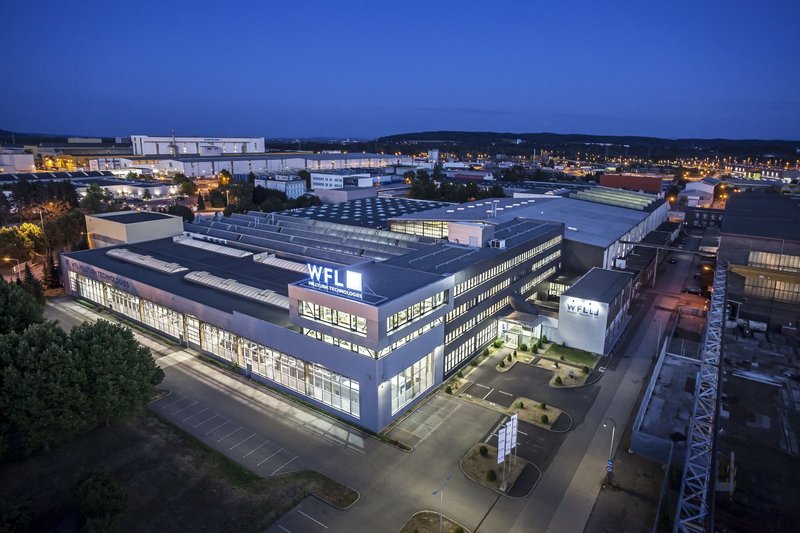
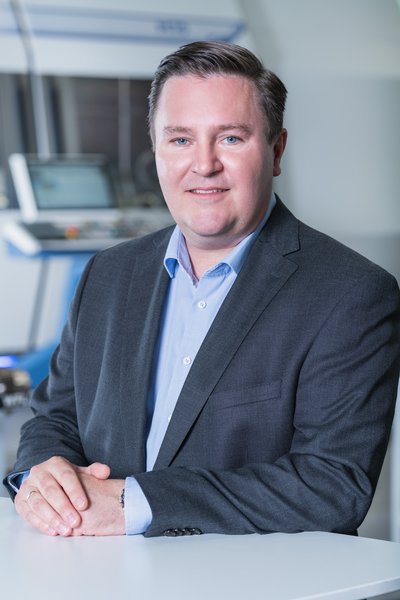
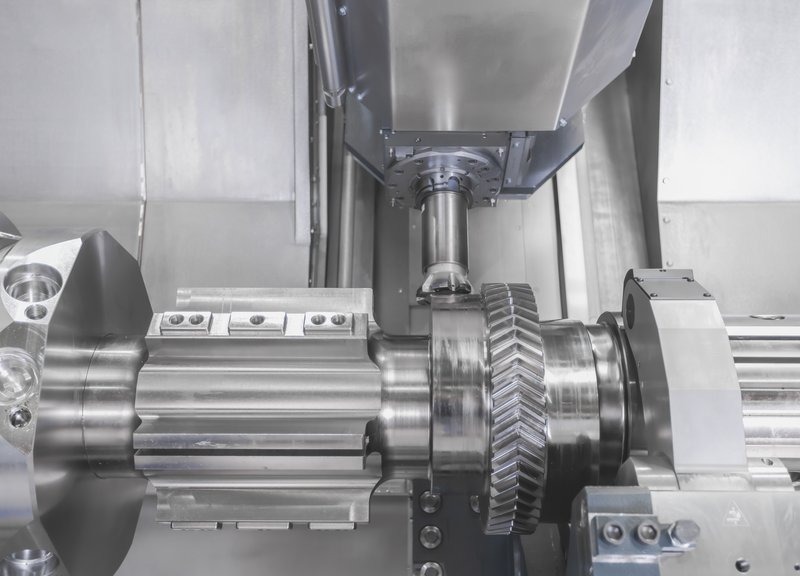
At WFL, the machine tool has never been seen as just another piece of production equipment. For Christian Jagersberger, Vice President of Sales, its value lies as much in its cutting-edge technology as in the long-term relationship built with each customer. He shares his insights on the company’s DNA, his reading of the market, and the ongoing transformations reshaping the industry. After a remarkable 2025, WFL aims to keep its momentum in 2026, pushing forward with the technological advances that will shape the future of manufacturing.
What Defines WFL Today
Above all, WFL is a coming together of diverse personalities united by a shared mindset: entrepreneurial spirit and the constant drive to find the best solution for customers. This customer-centric philosophy is deeply rooted in WFL’s culture.
One of the key pillars of this approach is the longevity of our teams. Employees stay, grow, pass on their expertise, and serve as role models for the next generation. This loyalty is no coincidence—it stems from a corporate culture that prioritizes quality of life in the workplace. A calm environment, genuine respect, and a deeply rooted technical culture create fertile ground for excellence. It is this human foundation that enables WFL to consistently meet the high demands of industries where precision is indispensable.
A bold and differentiated approach
WFL occupies a unique position in the market. The company does not simply deliver a machine, but a complete solution. In addition to machining technology, WFL offers automation, project management, process integration, and long-term customer service. This commitment is tangible: spare parts are available throughout the machine’s entire service life, which is a rarity in the industry.
This comprehensive vision also includes retrofitting, an area that WFL is actively developing. Used machines are completely overhauled at the Linz plant, brought up to date, and adapted to new customer requirements as needed. This technical expertise offers an alternative to purchasing new machines and extends the service life of equipment originally designed for longevity.
A market perspective that drives innovation
To remain at the forefront in the long term, WFL relies not only on technological excellence but above all on a firmly established mindset within the company: the commitment to consistently deliver performance above the market average. The foundation for this is a corporate culture characterized by curiosity, a sense of responsibility, and the continuous pursuit of improvement.
A keen sense of industry developments, as well as a deep understanding of our customers’ challenges and needs, are at the heart of everything we do.
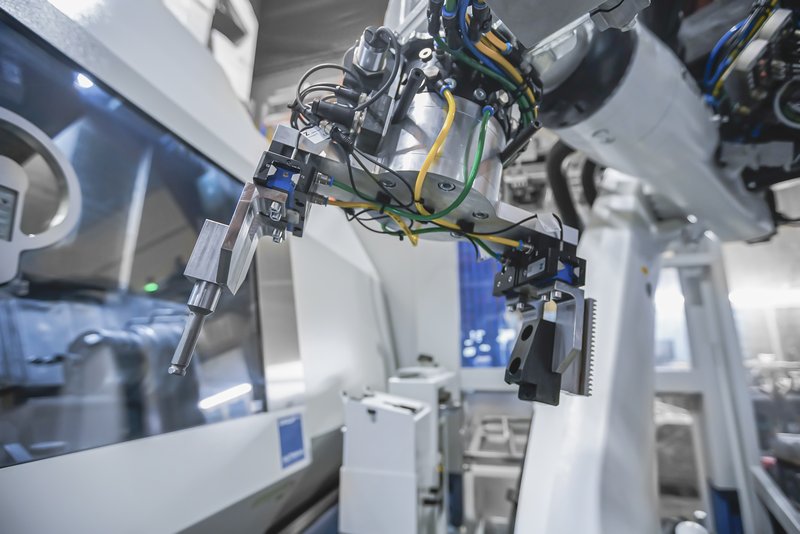
This commitment is reflected in our consistent efforts to continuously advance the automation of manufacturing processes at MILLTURN—with the goal of fully automating the production of even highly complex and precise components.
The projects planned for 2026 are an expression of this mindset. They embody our commitment to challenging existing limits and transforming production processes sustainably with new solutions.
One of WFL’s strengths lies in its global presence. The company learns just as much from European markets as it does from users thousands of kilometers away. This diversity fosters a global perspective, connects different practices, and ensures that every customer benefits from feedback gathered worldwide. WFL in Linz can learn from an operator on the other side of the planet.
One thing, however, remains unchanged: the longevity of its machines. Their robustness continues to form the basis for a wise investment.
The flexibility offered by WFL’s machining capabilities allows customers to evolve their production without having to replace their equipment.
This adaptability of the machine is indispensable, as it not only enables high flexibility in a dynamic market environment but also ensures long-term competitiveness.
A future shaped by automation and sustainability
WFL’s future lies in delivering complete systems consisting of MILLTURNs and automation that make our customers more flexible, efficient, and profitable.
Sustainability is also becoming a key focus of development. Reducing emissions, optimizing resources, and managing raw materials are no longer optional. WFL has long operated with this in mind. The Austrian industrial environment, which is strongly focused on energy efficiency, has fostered a culture in which sustainability is not a marketing gimmick, but a lived reality. And the exceptional service life of WFL machines plays a key role in drastically reducing their environmental impact.