
Taking time to do good
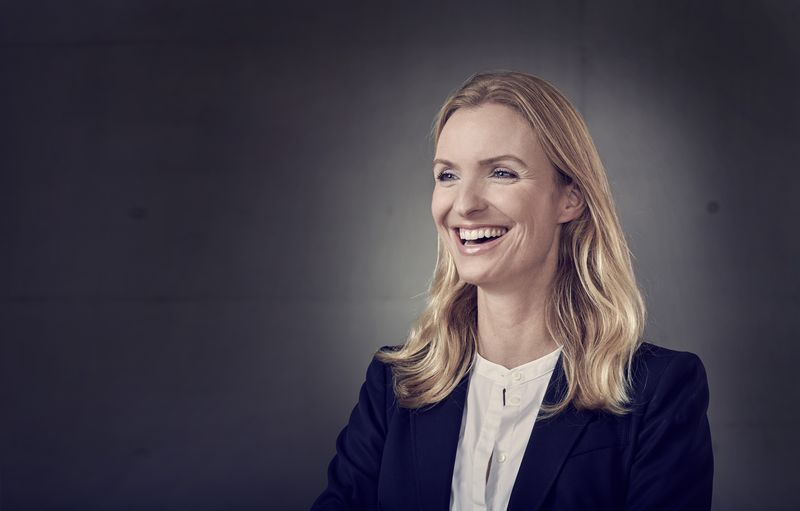
WFL Millturn Technologies owner Dr Helmut Rothenberger founded the TOOLS FOR LIFE Foundation in 2008, which is committed to the sustainable common good of our society. TOOLS FOR LIFE aims to connect people in all regions of the world with the essential resources needed for a healthy life. Water, energy and education form the pillars of the foundation. Dr Sandra Rothenberger, president of the foundation, provides an insight into the foundation‘s work and all that is involved.
In 2006 Dr. Helmut Rothenberger was in an airplane crash and survived. The main reason why he could recuperate was that he had access to the medical care he needed. Out of gratitude the Rothenberger family decided to establish a foundation. In the interview with Dr. Sandra Rothenberger, president, we learn about the origins and focus of her work.
Tell us how the foundation started.
The beginnings were bumpy. The first project was in Lviv, in Ukraine. We wanted to renovate a hospital there. We already had collected monetary and material donations and were able to help a lot, too. But renovation was not possible for political reasons. This hurt, but I learned a great deal, especially about how to analyze projects and partner organizations.
As President, you are the linchpin for the projects. On what do you spend most of your time?
Most of my time goes into reviewing and evaluating new projects: What kinds of projects are they? Which project partners would we work with? How sustainable are the projects? Does the project fit the purpose of our foundation? Who is responsible for the project and who will carry it out? That’s about how we decide whether the foundation should support the projects.
When is a project sustainable?
I want to mention two aspects: a project must help people to help themselves and it must be “lived”: for instance, it takes three or four months to build a school, but it must be maintained. Someone has to see to it that children attend it and learn something there - that’s the only way a project can live on. Sustainability is very important to us.
What is the most important lesson you have learned so far from the foundation work?
I have learned that time is the most important factor. When I was in Africa for the first time, people said, “Ms. Rothenberger, take off your watch—Europeans measure time, we in Africa have time.” You must bring time and a lot of patience. And I learned to focus on the essentials and make mistakes because you learn from mistakes.
When looking back on the first about ten years - what surprised you the most, in a positive as well as negative way?
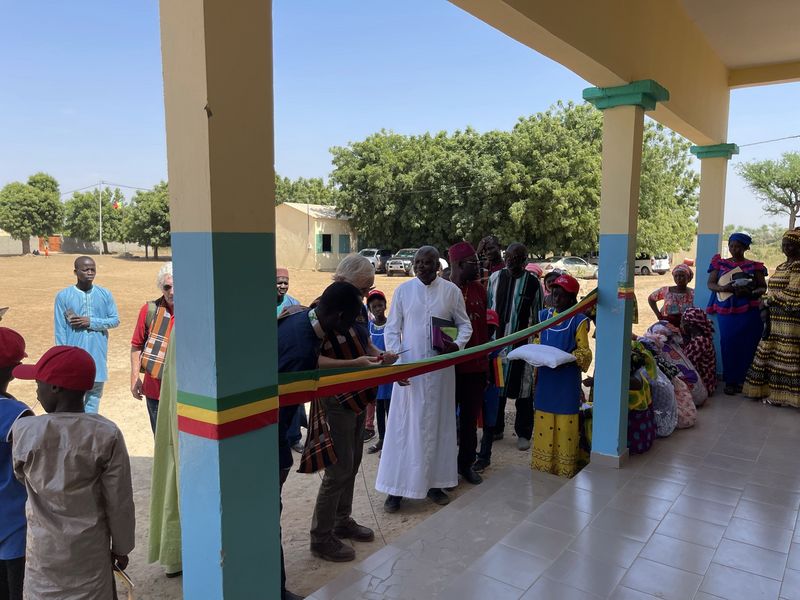
One of the most wonderful situations I ever experienced was the opening of the school in Diourbel, near Dakar. The children sang a song for me, with a gratitude I had never experienced before in this way - it touched me deeply. That was a very positive surprise. A negative surprise was to find out how hard foundation work is and how difficult it is to collect money and convince people that they can do good with their donation.
What compels you personally to keep going with the foundation work in addition to your job and your family after all?
It’s this sense of doing something that has an important impact. I am very grateful that I am well, and I am also a very religious person—I simply want to help people who are not so well off. I want to help connect people and do good!
Which projects are especially dear to your heart?
Everything that has to do with children touches me greatly. Children are the future. They are not to blame for the circumstances of the life into which they were born. We have to give them a future.
Does the foundation work have a special focus?
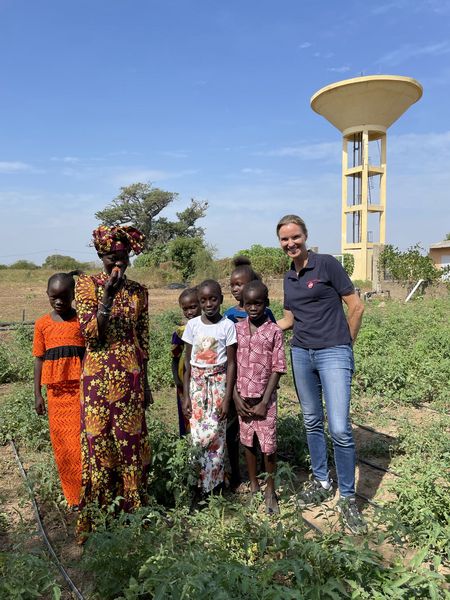
The foundation work focuses on energy, water, and education. Water is always an important issue: we have a major project in Ngolar in Senegal, where we will build a water tower and a deep well, complete with an infrastructure, that is to say, with a garden project, a school project, and a health center.
What are the plans for the foundation’s further development?
I want to move more things in the way a lever works: achieving a lot with little. The foundation should become better known. It is my dream to build a community, because the foundation only lives through active commitment. I want the foundation to carry out not more, but more sustainable projects with the same infrastructure. I want to train more people on site.
If you could fulfill a wish for the foundation by snapping a finger, what would it be?
If I could snap a finger, I would provide access to water, energy, and education for every child. That would be wonderful.
Picture: India
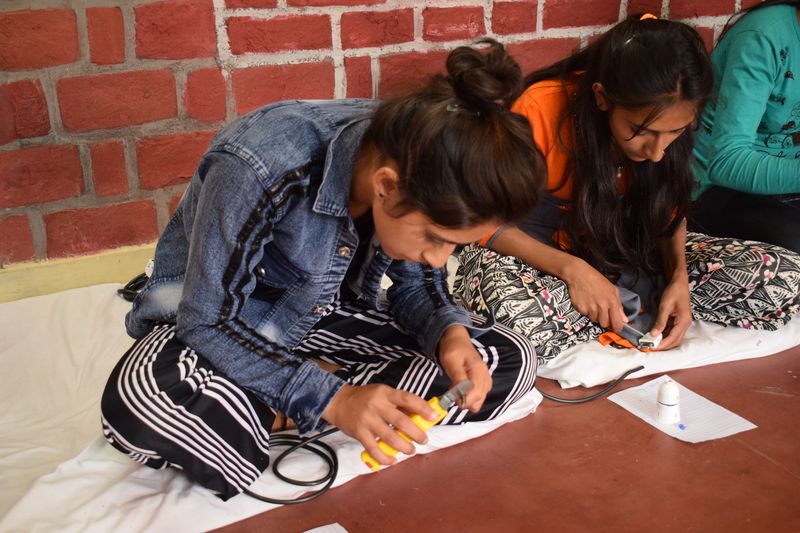
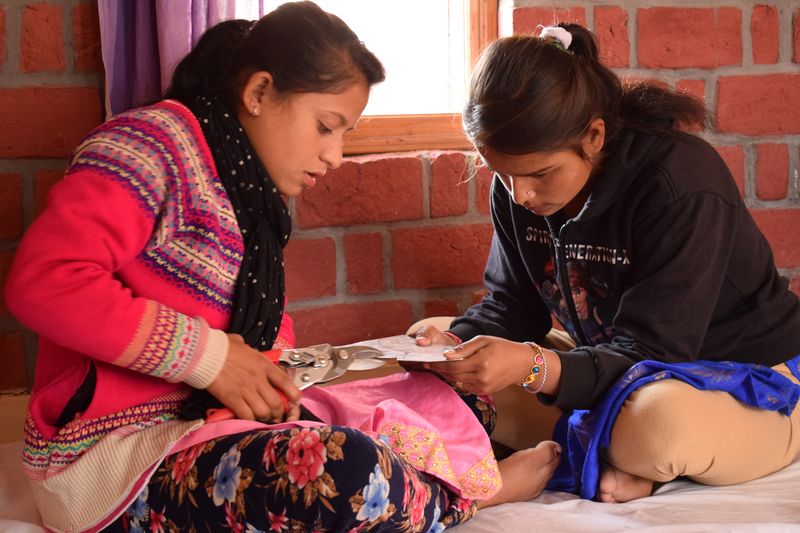
Abha Bhaiya's Jagorigrameen project works to strengthen women's rights and roles in India. Young women are taught basic handicraft work in workshops. The training plan included handicraft techniques needed for simple metalwork. In this way, the students can do manual work in the house and yard themselves and also use their newly learned skills to earn extra money.
Picture: Senegal
Despite official compulsory schooling, the Senegalese state, especially in rural areas, is not very successful in keeping up with the construction of schools. The reason for this is the enormous population growth. In the last 25 years, the population has doubled to almost 15 million people. TOOLS FOR LIFE provides for the construction of new classrooms including interior equipment. Toilet facilities for the pupils and teachers are also being built. In order to enable a regular school routine, the teachers and the headmaster of the school receive an administration building including a computer. In addition, a fountain and a school garden were built.