
Unlocking the power of knowledge: In-depth technological training
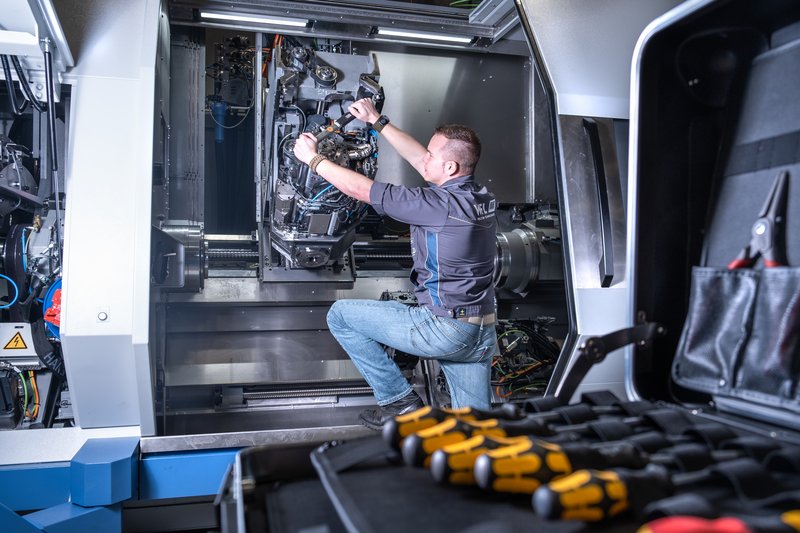
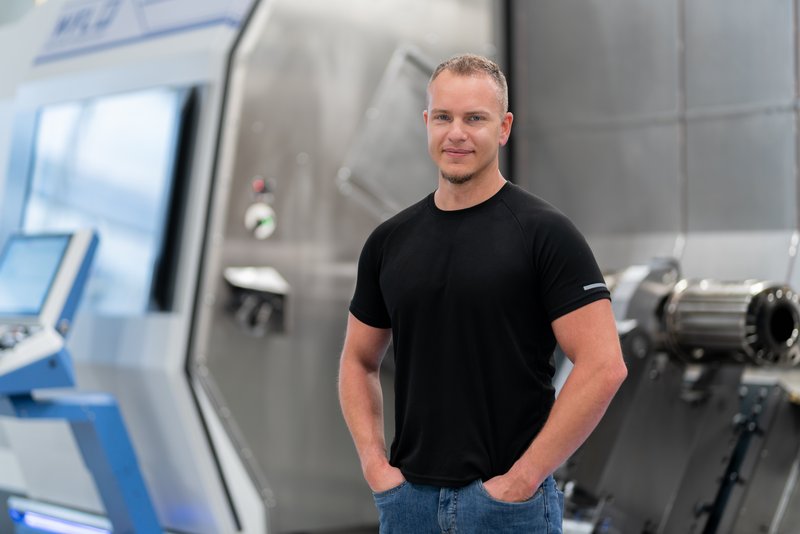
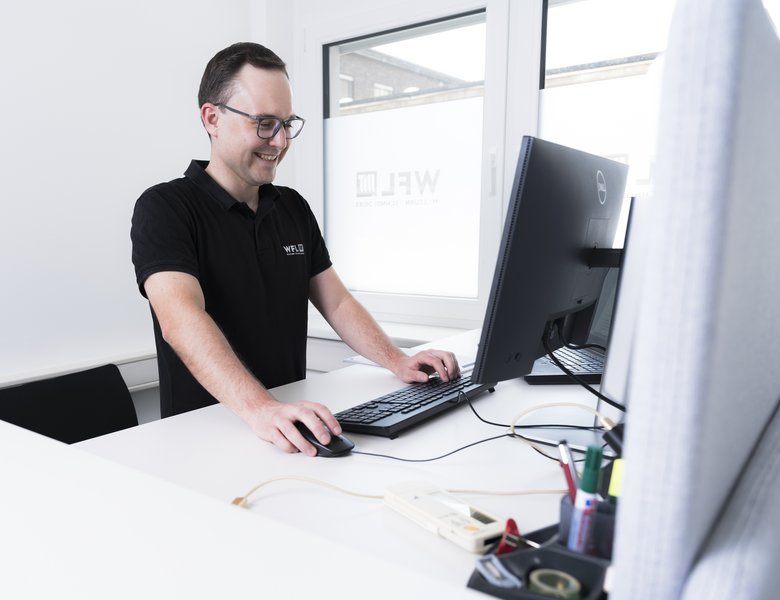
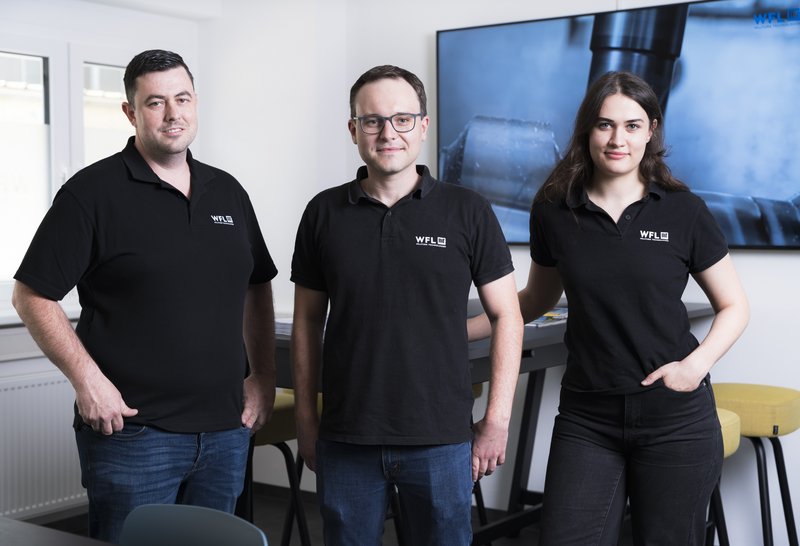
Two technicians, one goal: A high-tech WFL machine on its own is not enough to unlock success. To really maximise its performance on a day-to-day basis, you need the right expertise too. And this is exactly where WFL's training department comes into play. In an interview with Complete, we shine the spotlight on two technicians, two perspectives and one powerful goal.
One covers the practical aspects directly at the machine, the other ensures that everything is right on the screen too – from the control system to the programming. Together, they create training sessions which aim to generate enthusiasm as well as teach. Stefan Diesenreither and Roland Aschauer make the perfect training duo who teach everything you need to know about the MILLTURN and how it is all connected. Customers realise right away that this isn't about simply passing on know-how, it's about understanding, trying things out and making progress. The two experts gave us an insight into their work, what motivates them and what really makes for good training nowadays.
General questions about the training department:
What makes the training department special?
Our training department boasts a highly qualified team with wide-ranging expertise and many years of experience. Each trainer brings specific expertise to the table and this allows us to respond to the needs of our customers with a customised and practical-oriented offering. This means we can ensure that users are optimally prepared for projects in the fields of programming, operation, metal cutting, maintenance and repair.
What does a typical customer training session look like?
We begin each training session by quickly welcoming the participants and holding a structured kick-off meeting in which we define the structure and objectives of the training together. We then get stuck straight into the actual training to make the most of the time available and achieve the objectives we have set.
How do you ensure that your training sessions are suitable for both beginners and experienced customers?
Our training sessions are always tailored to suit the customer in question, based on their prior level of knowledge as well as the requirements and the objectives of their company. This tailor-made approach means that we are able to provide targeted support to both beginners and experienced users alike.
What kind of feedback do you typically receive from your customers?
Our customers really appreciate the practical, customised nature of the training content. The modern training centre, the high level of specialist expertise of our trainers, the quality of the machines and the WFL philosophy that we follow all result in positive feedback across the board.
How do you both approach working together as a team to produce optimum training sessions?
Interdisciplinary questions require close collaboration. So we support each other before and after training sessions as well as when we are developing documentation. This constant dialogue allows us to ensure that complex topics are presented in an easy-to-understand and practical manner.
What role does the interplay between theory and practice play in your training sessions?
A combination of theoretical knowledge and practical application is a key component of every training session. We work through theoretical concepts and possible solutions with the participants and then put them into practice on the machines themselves. The aim is to take what you have just learnt and apply it straight away to ensure maximum efficiency during operation.
Do you make changes to your training concepts regularly or develop them further?
Our training concepts are subject to a continuous improvement process. New technologies, industry-specific requirements or region-specific aspects are incorporated in an ongoing manner, so that our offering is always up to date and relevant in the real world.
What are your plans for the department going forwards?
Our aim is to continue to increase the added value of our training sessions with innovative methods and digital learning formats. At the same time, we want to make it even easier to access the world of WFL so that our customers can develop their skills in a sustainable manner.
Questions to Stefan Diesenreither, Trainer Maintenance & Service
How do you prepare for and carry out a training session?
When we receive a request for a training session from a customer, the first thing we do is schedule a suitable date. Then we adapt the training content in line with the customer's machine, which essentially means focusing on the modules installed on the machine and preparing the training documents accordingly. This ensures that the customer receives customised training tailored to the needs of their team and requirements.
Once the customer arrives here, we evaluate what prior knowledge the team already has at the start of the session. We can then identify specific areas where there are gaps in their knowledge so that the training is as effective as possible. For new customers, we usually begin with the basics.
Mechanics:
- General machine documentation
- Machine geometry
- Mechanical components of the machine
- Checking and adjusting individual components
- Energy supply: hydraulics, pneumatics, etc.
Electrics:
- Wiring diagram
- Network topology
- Machine control: Sinumerik
- NC machine data
- Compensation functions
- Adjusting the tool changer systems
Which topics come up the most during training sessions?
Our customers' situations vary widely, depending on whether they are already using WFL machines or are a new customer. Recurrent topics include the different changer systems, iControl, Reference point relocation, the complexity of our milling machines, adjusting and setting the machine components. It's very important to work together with the customer at the machine when covering these aspects, to ensure everything works correctly.
How do you choose the right machine for a training session?
Normally we use the same machine type as the customer has during the training session, so that we can train them directly on the machine in a practical and real-world environment. The customer also learns how to handle the machine in a specific working environment.
How do you handle questions during the training sessions?
Questions often come up during the training and we're happy to answer them. We explain the theoretical background and give specific recommendations as to how to best approach a problem. In this case, the aim is to show how a quick and effective repair can be carried out.
How do you handle different levels of knowledge in a training session?
During training, we always ensure that all participants have the same level of knowledge. Should a participant have less knowledge than the others, then we bring this person up to the required level, so that they can fully understand and follow the content.
Questions to Roland Aschauer, Trainer Programming
Which software or control systems does the training focus on?
We focus on Siemens machine control systems in our training sessions as these are the only control systems used in our WFL machines. We also cover other control systems and draw specific comparisons to make it as easy as possible for our customers to get started.
In addition to the machine control systems, programming and simulation software also play an important role – especially CrashGuard Studio, which has been developed by WFL. Thanks to CrashGuard Studio and the digital twin of the customer's machine, theoretical solutions can be implemented and tested directly during the training session.
How do you teach complex content such as CNC programming or machine parameters in a way that's easy to understand?
CNC programming and metal cutting are very extensive and challenging topics. To teach these properly, the customer's participants need to have a certain amount of specialist knowledge and experience.
If they have this as a basis, then we begin by explaining the theory. Then we develop specific programming examples for a range of applications together with the customer. These examples facilitate understanding and often serve as a template for subsequent implementation of complex components.
Do you use digital tools or simulations for support?
Yes, for programming and simulations we use CrashGuard Studio. With this software, we can implement theoretical concepts in a dedicated programming environment and then check them in the simulation.
How do you keep yourself up to date with the latest technological developments?
One of the main ways is through a regular exchange of information with colleagues. This keeps us up to date with new products, processes and potential solutions.
Thanks to the outstanding working environment at WFL, this dialogue takes place across departments as well as within them. When it comes to new developments, we test a lot directly on the machine itself so that we can give our customers sound, targeted and practical advice.
What challenges do you face when training customers with little IT experience?
Customers with little IT knowledge find programming modern machines particularly challenging, as programs today are created and checked on a PC and the machine control systems function like a computer.
A basic understanding of IT is therefore a prerequisite if you want to program successfully. It is difficult for participants who lack this knowledge to follow the training and carry out projects independently in the future.